
- England
- Scotland
- Wales
- Northern Ireland
- London
- Birmingham
- Manchester
- Liverpool
- Leeds
- Sheffield
- Bristol
- Newcastle upon Tyne
- Nottingham
- Oxford
- Edinburgh
- Glasgow
- Aberdeen
- Dundee
- Cardiff
- Swansea
- Newport
- Belfast
- Derry / Londonderry
- Newry
- Tower of London
- Buckingham Palace
- Westminster Abbey
- British Museum
- Stonehenge
- Windsor Castle
- Roman Baths, Bath
- Canterbury Cathedral
- York Minster
- Hadrian’s Wall
- Warwick Castle
- Eden Project
- Blenheim Palace
- Brighton Palace Pier
- Edinburgh Castle
- Royal Mile
- Stirling Castle
- Eilean Donan Castle
- Glenfinnan Viaduct
- Skara Brae
- Cardiff Castle
- Caernarfon Castle
- Conwy Castle
- Portmeirion
- St Davids Cathedral
- Titanic Belfast
- Carrick-a-Rede Rope Bridge
- Dunluce Castle
- Carrickfergus Castle
- Derry City Walls
- Giant’s Causeway
- White Cliffs of Dover
- Jurassic Coast
- Lake District
- Peak District
- Dartmoor
- Glencoe
- Isle of Skye
- Eryri (Snowdonia)
- Bannau Brycheiniog (Brecon Beacons)
- Ben Nevis
- Ben Macdui
- Cairn Gorm
- Scafell Pike
- Helvellyn
- Yr Wyddfa (Snowdon)
- Cadair Idris
- Pen y Fan
- Slieve Donard
- Slieve Binnian
- River Thames
- River Severn
- River Trent
- River Clyde
- River Wye
- River Bann
- Lough Neagh
- Loch Ness
- Loch Lomond
- Windermere
Location
The United Kingdom lies off the north-west coast of mainland Europe. England, Scotland and Wales share the island of Great Britain. Northern Ireland lies on the island of Ireland, where the UK shares its only land border with the Republic of Ireland. The North Sea lies to the east, the English Channel to the south, and the Irish Sea and Atlantic Ocean to the west.
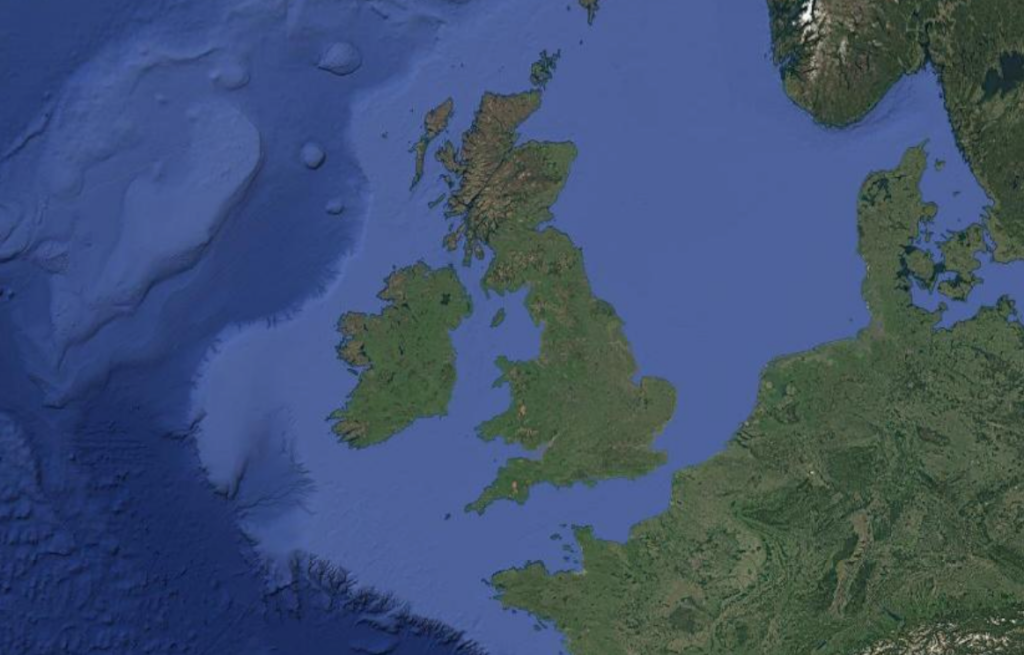
Table of Contents
Travel Destinations
Start in London with the Tower of London and Westminster Abbey, then head west to find Windsor Castle, Stonehenge and the Roman Baths in Bath. In Scotland, follow Edinburgh’s Royal Mile from the castle towards Holyrood, or zoom in on the Glenfinnan Viaduct to see how the railway curves across a valley in the Highlands.
In north Wales, look for Caernarfon Castle on the waterfront, Conwy Castle beside the river and the colourful village of Portmeirion. Across the Irish Sea, explore Belfast’s waterfront, where Titanic Belfast tells the story of the ship in the city where it was built. Follow the coast north to find the Carrick-a-Rede Rope Bridge and the cliffside ruins of Dunluce Castle.
Capitals
London is the capital of the United Kingdom and England. Edinburgh is the capital of Scotland, Cardiff is the capital of Wales, and Belfast is the capital of Northern Ireland. Start with London in the Capitals menu and follow the River Thames through the city.
Terrain
Much of the UK’s highest ground is in the north and west. Ben Nevis, in the Scottish Highlands, is the UK’s highest mountain at 1,345 metres. On the map, compare the Highlands with the flatter land of eastern England and look for the Pennines in northern England.
Rivers and Lakes
The Severn, the UK’s longest river, begins in the mountains of Wales and flows through western England to the Severn Estuary. Lough Neagh, in Northern Ireland, is the UK’s largest freshwater lake by surface area, covering about 383 square kilometres.
Coastline
On Northern Ireland’s north coast, the Giant’s Causeway is made up of thousands of basalt columns formed by volcanic activity. On England’s south coast, the cliffs of the Jurassic Coast expose layers of rock and fossils that record about 185 million years of Earth’s history.
Climate
The Atlantic Ocean has a strong influence on the UK’s weather. Winds from the west often bring moist air, so western areas generally receive more rain than eastern areas. Mountains in the north and west add to this pattern by forcing moist air to rise and cool.
Population
The United Kingdom had an estimated 69.5 million people in mid-2025. About 85% lived in England, which had 58.8 million residents. Scotland had 5.5 million, Wales had 3.2 million, and Northern Ireland had 1.9 million. London is one of the most densely populated parts of the UK, with about 5,800 people per square kilometre.
Nature
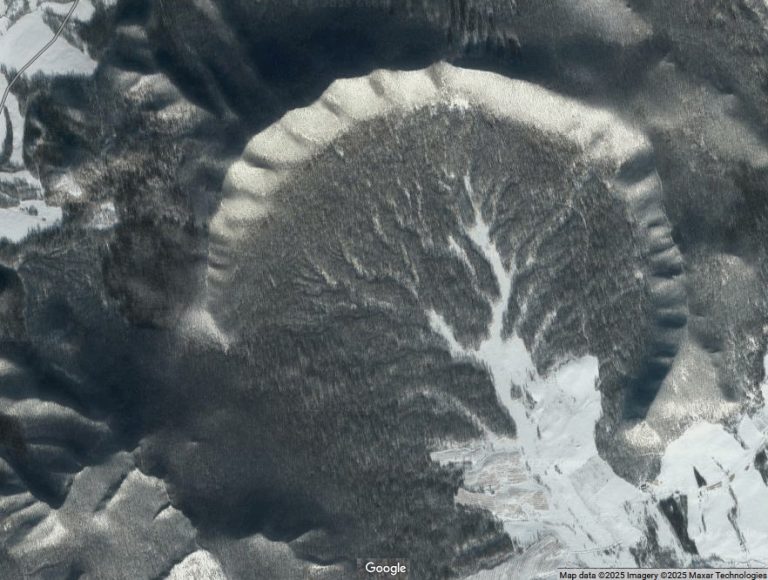
Glaciers carved deep valleys and shaped many of the lakes in England’s Lake District. In Wales, look for Cwm Idwal in Eryri (Snowdonia), where steep cliffs curve around a small lake. Scotland’s Cairngorms are home to some of Britain’s largest surviving native pinewoods, while in Northern Ireland the Mourne Mountains rise close to the coast, with sandy beaches and dunes nearby.